
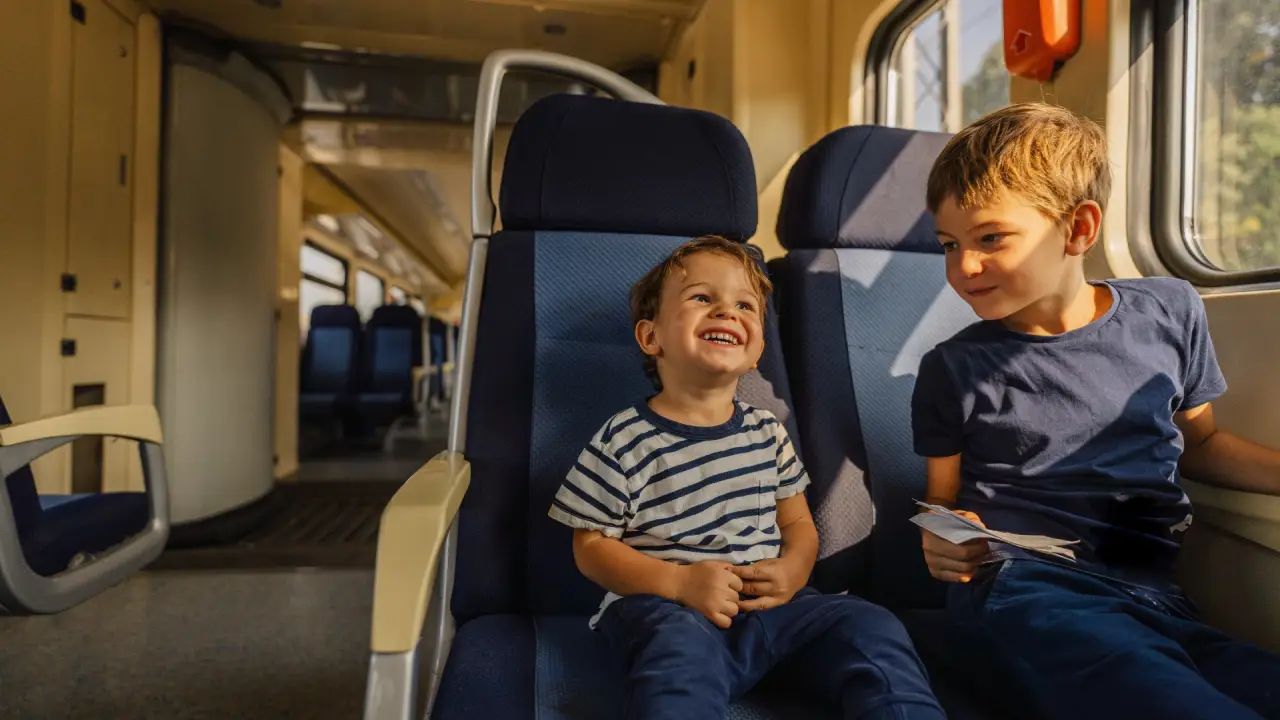
In many European countries, children riding trains alone is a normal sight. Backpacks are slung over their shoulders, tickets are ready, and platforms are navigated with confidence. In the United States, however, this scene is rare. The difference is not about parenting quality. Instead, it is shaped by train travel culture, system design, and everyday exposure to rail transport.
Trains as Everyday Transport
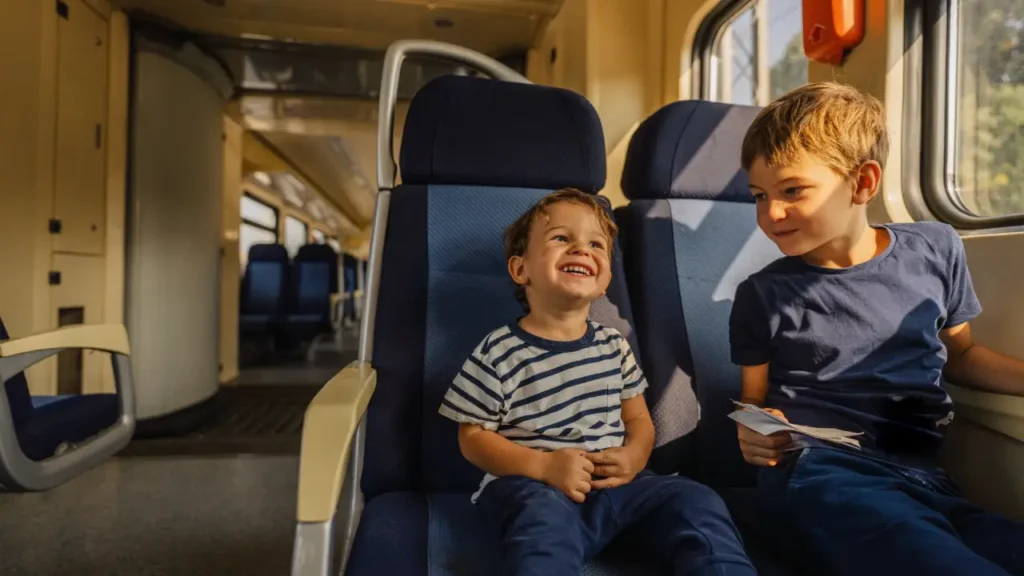
Across Europe, trains are used daily. They take people to school, work, and social activities. Because of this, children become familiar with trains early in life. At first, trips are taken with parents. Later, short journeys are made alone.
In contrast, trains in the U.S. are used less often. Outside major cities, rail travel is limited and irregular. As a result, trains feel unusual. When something feels unusual, it is often viewed as risky.
Infrastructure That Supports Young Passengers
European rail systems are designed for clarity and ease. Stations are centrally located. Signs are simple. Announcements are frequent. In many cases, staff are visible on platforms.
Because of this design, independent travel is made easier. Children are supported by the system itself. In the U.S., however, many stations are spread out and car-focused. As a result, independence is discouraged by the environment.
Parenting Norms Follow the Rail System
In Europe, independence is learned step by step. Riding a train alone is seen as part of growing up. Small risks are accepted because learning is valued.
Meanwhile, American parents face different expectations. Public judgment is stronger. Liability concerns are common. Therefore, supervision is extended for longer periods of time. This approach is shaped not only by culture, but also by how trains are perceived.
Social Trust on European Trains
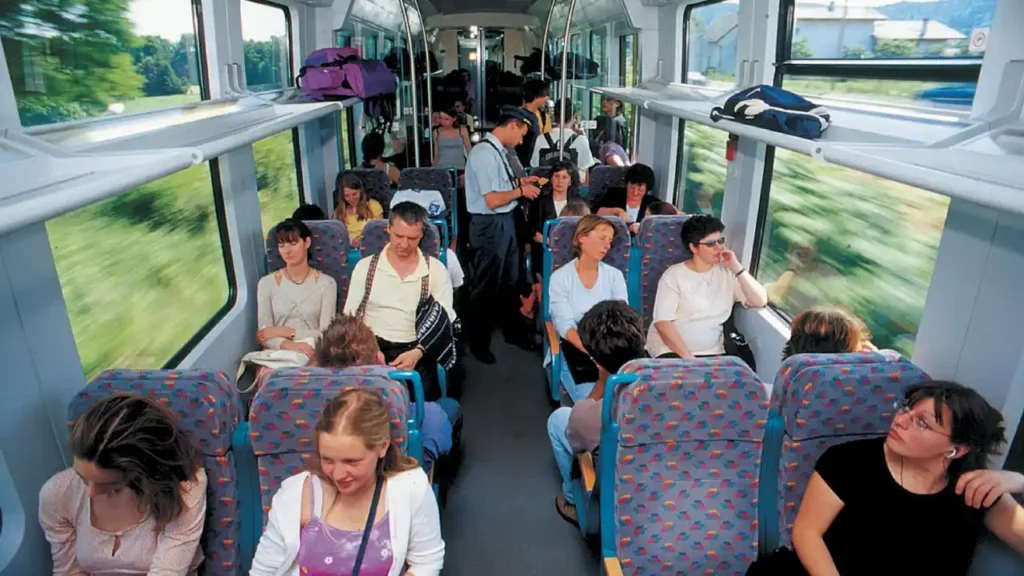
Another key factor is social trust. On European trains, help is often offered if a child looks unsure. Conductors, passengers, and station staff play a quiet role in keeping things running smoothly.
In the U.S., public interaction is more limited. Helping a stranger’s child can feel uncomfortable. As a result, parents may feel they are alone in managing risk.
Clear Rules and Rail Policies
European rail operators usually provide clear rules for minors. Youth passes are common. Children are welcomed as regular passengers.
In the United States, policies are often unclear. Because guidance is limited, hesitation grows. When expectations are unclear, independence is delayed.
Independence by Train—or by Car
In Europe, independence often begins on trains. In the U.S., it usually begins with driving. Until that point, children remain passengers rather than planners of their own trips.
This difference shapes long-term habits. Comfort with trains often leads to lifelong rail use.
What Trains Reveal About Culture
European kids use trains alone because the system is built for shared use, trust, and daily life. American kids rarely do because train travel is less common and less supported.
In the end, train travel culture in Europe vs the USA reflects broader values. How societies design rail systems influences how children learn independence and how public space is shared.